


"I had been dealing with recurring vertigo for over three years. Every time I thought it was finally getting better, the spinning episodes would return again. This presentation completely changed the way I looked at recurring vertigo."
According to the specialists featured in the presentation below, recurring vertigo episodes are triggered by hidden neurological and balance-related dysfunctions that traditional treatments completely ignore.
This explains why millions of people continue suffering from dizziness, spinning sensations, instability, and sudden episodes even after medications, repositioning maneuvers, and temporary relief.
Many viewers say this was the first time they discovered why symptom-based treatments fail — and why the medical industry continues profiting from temporary relief instead of solving the underlying problem causing recurring vertigo episodes.
At first, recurring BPPV episodes may seem manageable — a spinning sensation here and there, followed by a few normal days.
But when the episodes keep returning… everyday life often starts changing too.
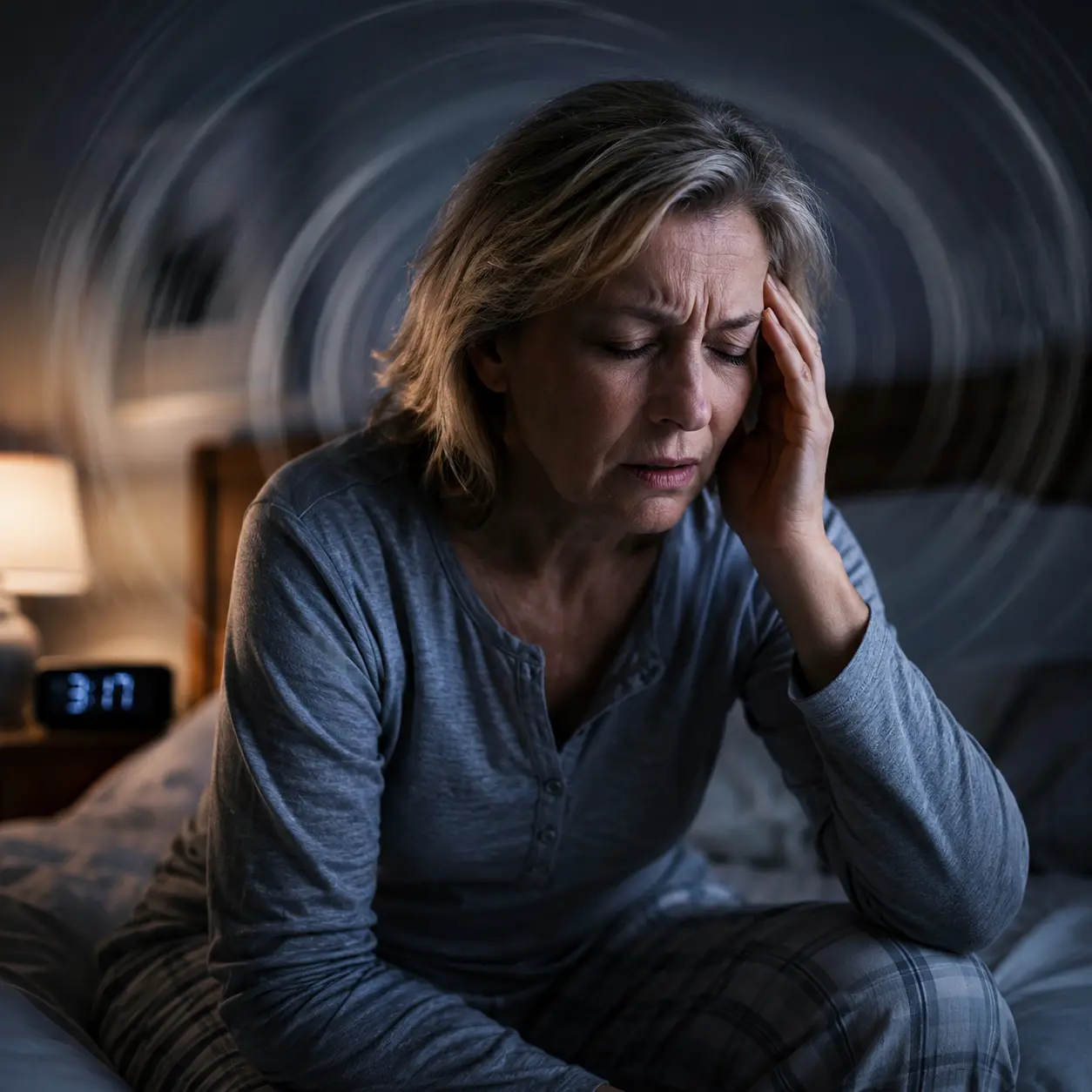
You begin avoiding certain movements. Turning your head too quickly. Getting out of bed too fast. Looking up at a shelf. Over time, those small adjustments add up — and everyday life starts feeling smaller and more unpredictable.
Many people describe the frustration of going through treatments, medications, or repositioning maneuvers… only to experience the same spinning sensations all over again weeks later.
For many people, the worst part becomes the uncertainty — constantly wondering when the next BPPV episode will suddenly return.
That’s why more people are now questioning why recurring BPPV keeps coming back in the first place — and why so many traditional approaches never seem to fully solve the real underlying problem.
Many people dealing with recurring vertigo experience temporary relief after repositioning maneuvers, medications, or short-term treatments — only to have the spinning sensations suddenly return again later.
According to specialists featured in the presentation, recurring BPPV episodes continue returning because underlying balance dysfunctions inside the inner ear are never fully addressed.
Turning in bed, looking up, bending down, or moving too quickly may continue triggering recurring vertigo episodes over and over again.
This helps explain why so many people continue struggling with recurring BPPV even after treatments that seemed to work temporarily.
That’s why more people are now questioning why traditional approaches focus only on temporary relief instead of addressing the real underlying problem causing recurring vertigo episodes.
Many people experience temporary relief from recurring vertigo — only to have the spinning sensations suddenly return again weeks or months later.
In many cases, treatments focus only on managing the spinning itself, while the underlying balance dysfunction triggering recurring episodes continues unchecked.
This helps explain why so many people continue struggling with recurring BPPV and vertigo even after medications, repositioning maneuvers, and temporary relief.
RTreatment may help briefly before the spinning sensations eventually return again.
The underlying balance problem may continue triggering recurring vertigo episodes.
Many people are now questioning why recurring BPPV episodes continue coming back.
After years of working with patients dealing with recurring vertigo episodes, Dr. Ryan Shelton began noticing a concerning pattern. Many people would experience temporary relief for weeks or months — only to suddenly begin dealing with dizziness, spinning sensations, and balance problems all over again.
With over two decades of clinical experience, Dr. Shelton has spent years researching why recurring vertigo episodes may continue returning even after temporary relief.
That observation eventually led him to explore whether hidden factors affecting balance and neurological function may be contributing to recurring vertigo episodes over time — and why so many people never fully solve the problem.
For years, she assumed the dizzy spells were simply part of getting older. She stopped driving on certain roads. She avoided looking up. She held onto walls when getting out of bed.
It wasn’t until she learned more about recurring BPPV and the underlying balance dysfunctions triggering the episodes that things finally started making sense.
What if recurring vertigo episodes continue returning because most treatments only focus on temporary symptom relief instead of addressing the underlying balance dysfunction triggering the episodes?
That’s exactly what this presentation explores — why recurring BPPV episodes keep returning, and why more people are now questioning traditional approaches that never fully solve the real underlying problem.
For many viewers, this was the first time they discovered a different daily approach for recurring vertigo episodes.
"I had been dealing with recurring vertigo for over three years. Every time I thought it was finally getting better, the spinning episodes would return again. This presentation completely changed the way I looked at recurring vertigo."
"My doctor recommended the Epley maneuver, and it helped for a while. But after a few months, the dizziness came back again. Watching this presentation introduced me to a completely different daily approach."
"I was terrified to move my head too quickly in the morning. Every day started with the fear that the spinning sensation might return. This simple daily approach gave me real hope for the first time."
Watch the short presentation explaining why recurring BPPV episodes continue returning — and why so many treatments never fully address the real underlying problem.