
Loose Inner Ear Crystals May Be The Hidden Cause Of Vertigo
Dr. Peter Anderson explains that studies from Harvard, Johns Hopkins and Washington University link BPPV crystals to dizziness, spinning sensations and balance problems.
The video below also shows a simple 7-second method that may help support inner ear balance.
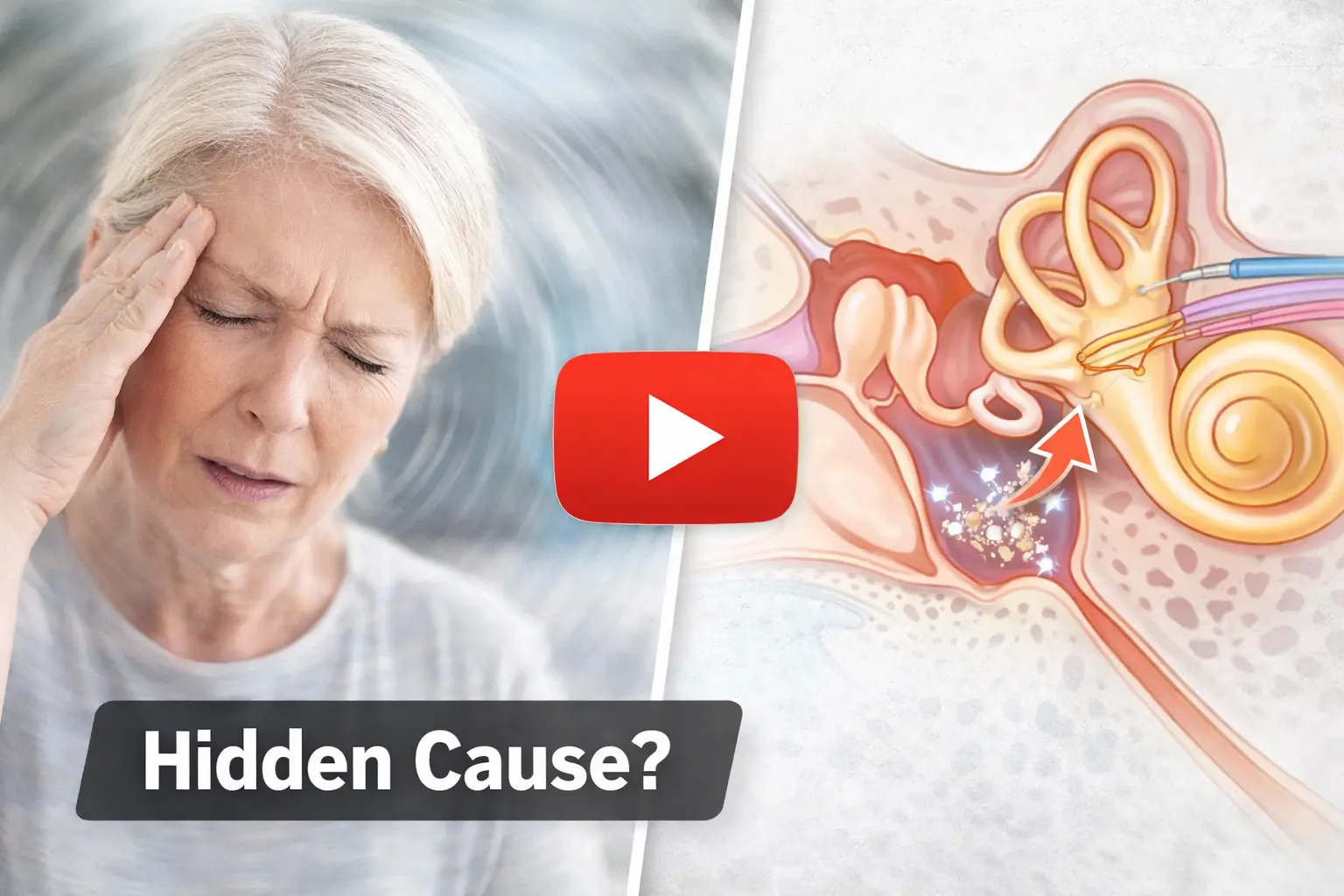
This video explains possible inner ear causes linked to vertigo, dizziness, balance problems, and treatment options.
Do these balance problems happen to you?
- Sudden vertigo when turning your head
- Feeling off balance for no reason
- The room spinning unexpectedly
- Fear of falling while walking
- Doctors can’t find the cause
- Episodes that keep coming back
This may be linked to loose crystals inside the inner ear.
What most people don’t realize is that many vertigo cases are linked to BPPV inside the inner ear
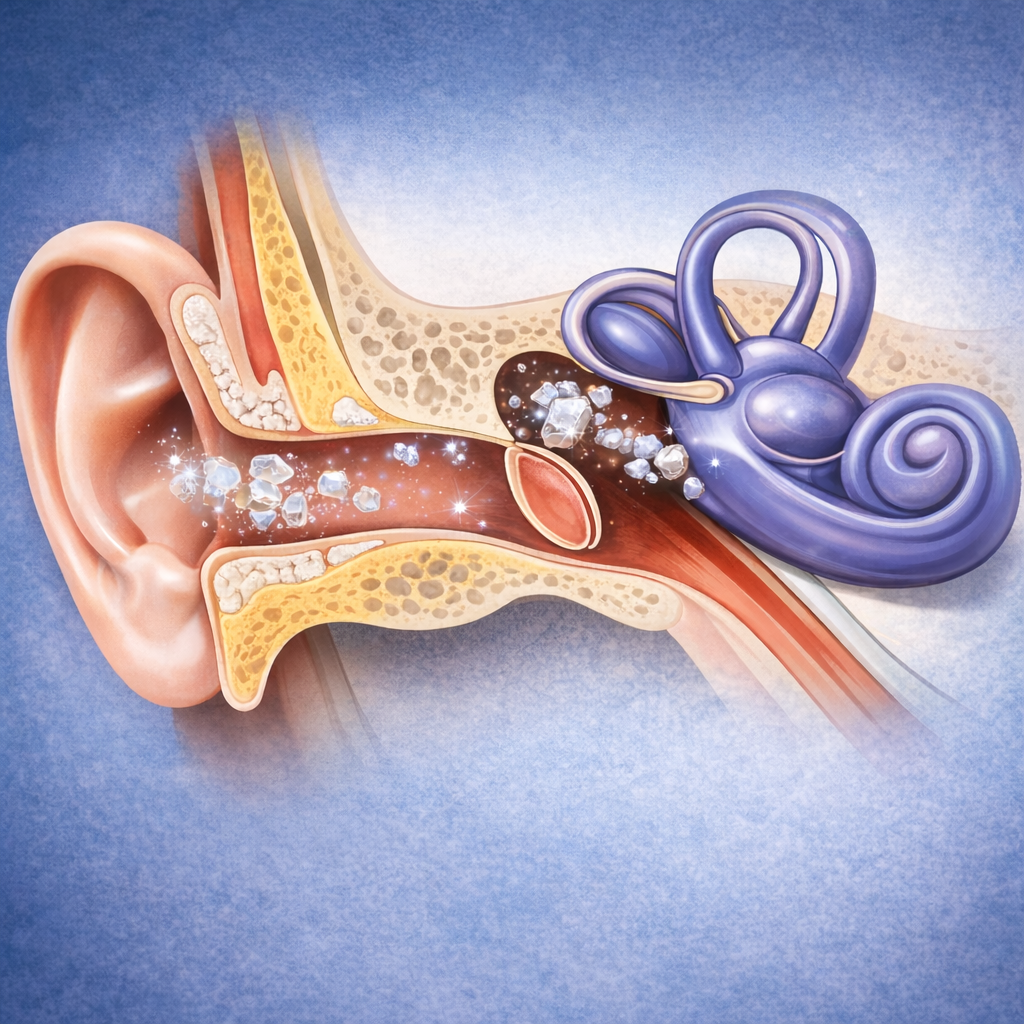
Tiny calcium crystals inside the inner ear help control balance and body position.
When these crystals move out of place, the brain may receive the wrong signals.
This condition is often called BPPV and may cause dizziness, spinning sensations, nausea and sudden loss of balance.
In many cases, the problem is very small and easy to overlook.

WRITTEN BY VERTIGO SPECIALIST
Dr. Peter Anderson
Vertigo Research From Washington University Specialist
Dr. Peter Anderson is a medical researcher at Washington University who has spent over 20 years studying balance disorders, dizziness, and vertigo. He has worked with patients who experienced sudden spinning sensations, loss of stability, and recurring vertigo episodes without clear answers.
Over the years, Dr. Anderson noticed that many people were told nothing was wrong, even though their symptoms continued. Many had normal scans, normal tests, and no clear diagnosis. But the dizziness, imbalance, and fear of falling never really went away.
During his research, Dr. Anderson began studying the inner ear balance system more closely. He found that tiny calcium crystals inside the ear play an important role in keeping the body stable. When these crystals move out of place, the brain may receive incorrect signals about movement. This may cause vertigo, dizziness, and sudden loss of balance.
This discovery helped explain why many people continue to experience vertigo even when medical tests show nothing wrong. Dr. Anderson believes that understanding the inner ear balance system may be the key to restoring stability.
She Thought It Was Just Aging. It Was Actually BPPV.

“I thought the dizziness was just part of getting older.”
At first, the episodes were small and didn’t seem serious.
Sometimes the room would spin for a few seconds, and other times she felt slightly unsteady while walking.
She tried to ignore it, thinking it was something normal that happens with age.
But over time, the episodes became more frequent.
She started feeling nervous when walking outside, especially in crowded places.
Driving became uncomfortable, and she began worrying about losing balance in public.
The fear of falling slowly became part of her daily life.
She went through several medical exams looking for answers.
The scans looked normal, the tests didn’t show anything serious, and doctors often said dizziness can happen with age.
Some treatments helped for a short time, but the problem always came back.
Later, she learned about research on the inner ear balance system.
She discovered that tiny calcium crystals inside the ear help control stability.
When these crystals move out of place, a condition often called BPPV, the brain may receive incorrect signals, which can cause vertigo, dizziness and sudden loss of balance.
For the first time, the symptoms finally made sense.
After understanding what may be happening inside the inner ear, she started feeling more confident again.
Her balance improved, the fear of falling became smaller, and everyday life slowly began to feel normal again.
Frequently Asked Questions About Vertigo And Dizziness
Not always.
In many cases, vertigo may be related to small changes inside the inner ear balance system.
One of the most common causes is BPPV, a condition where tiny calcium crystals move out of place and send incorrect signals to the brain.
Because these crystals are very small, medical exams often show nothing serious.
Many standard tests look for major problems, but balance depends on very small structures inside the inner ear.
If tiny crystals inside the ear become displaced, the brain may receive confusing signals even when scans and exams appear normal.
This is one reason many people with BPPV feel dizzy without getting clear answers.
Inside the inner ear, tiny calcium crystals help the brain detect movement and position.
When these crystals move out of place, the brain may think the body is moving even when it is still.
This condition is often called BPPV and can cause spinning sensations, dizziness and sudden loss of balance.
As the body changes over time, the inner ear balance system may become more sensitive.
Small shifts in the crystals inside the ear may happen more easily, which can affect how the brain processes movement.
This is why BPPV and balance problems may become more common later in life.
Many people feel more confident after learning what may be affecting their balance.
When the inner ear system works correctly, the brain receives clear signals about body position.
Understanding how the balance system works is often the first step toward feeling steady again.
Copyright 2025 by Hearing Health Insights
All rights reserved.
The information provided on this website is for informational purposes only and is not intended to replace professional medical advice, diagnosis, or treatment. Always consult your doctor before making lifestyle changes, especially if you have existing health conditions. HearingHealthInsights.site is an independent informational website focused on balance, dizziness, and inner ear health. The content is based on publicly available research and educational sources. Individual results may vary. Testimonials reflect personal experiences and do not guarantee similar outcomes. This website may contain references to third-party resources for informational purposes only. We are not responsible for the content of external websites. If you have any health concerns, always seek advice from a licensed healthcare professional.